
Abbas Afridi's Blazing 55 off 13 Balls Sends Pakistan Past Hong Kong into Hong Kong Sixes Plate Final
पाकिस्तान ने हांगकांग सिक्सेस के प्लेट सेमीफाइनल में मेज़बान हांगकांग को 9 गेंद शेष रहते हरा दिया। हांगकांग ने छह ओवर में 106/3 बनाया (निज़ाकत खान 38, अनशी रथ 37), जवाब में पाकिस्तान ने 4.3 ओवर में 107/5 हासिल किया — अब्बास आफरीदी 55 (13 गेंद, 3 चौके, 7 छक्के), ख्वाजा नफ़ाय 34 (10 गेंद), अब्दुल समद 17 (4 गेंद)। पाकिस्तान की ओर से इरफान खान ने दो और अहमद दानियाल ने एक विकेट लिया। प्लेट फाइनल में पाकिस्तान का सामना ओमान से होगा। पाकिस्तान छह बार का चैंपियन और मौजूदा विजेता है, लेकिन ग्रुप चरण में UAE के खिलाफ आखिरी गेंद पर मिली करीबी हार के कारण वह कप के बजाय प्लेट ब्रैकेट में पहुंचा।
HONG KONG — Pakistan beat hosts Hong Kong by one wicket in the Plate semi-final of the Hong Kong Sixes, chasing down 107 in 4.3 overs with nine balls to spare. Pakistan will face Oman in the Plate final.
Hong Kong innings: 106 for 3 in six overs
Batting first, the hosts posted 106 for 3 in their allotted six overs, a scoring rate of nearly 17.66 runs per over — a fast total even by six-a-side standards. Hong Kong's innings revolved around three batsmen, and the rest of the order could not contribute substantially.
Nizakat Khan smashed 38 off just 10 balls, with one four and five sixes. His aggression gave Hong Kong early momentum and denied Pakistan's bowlers any chance to settle.
At the other end, Anshy Rath made 37 off 15 balls with four fours and three sixes, keeping the scoring rate up. The stand between Nizakat and Rath formed the foundation of Hong Kong's total, with the pair producing the bulk of the runs and keeping Pakistan under pressure.
Nasrulla Rana added a late flourish with 16 off three balls — one four and two sixes. Babar Hayat made 12 off six balls, including three fours, while Yasim Murtaza fell without scoring. Despite losing three wickets, Hong Kong reached 106, setting Pakistan a target of 107.
Pakistan bowling: Irfan Khan takes two
For Pakistan, Irfan Khan claimed two wickets and Ahmed Daniyal one. The other dismissals are not listed in the available scorecard. Restricting Hong Kong to 106 in a six-over format was an achievement in itself, especially with both Nizakat Khan and Anshy Rath striking at well above 150 and keeping the run rate high from start to finish.
The chase: Abbas Afridi's storm
Pakistan lost wickets early in the chase and looked under pressure, but Abbas Afridi changed the course of the match the moment he walked in. He struck 55 off 13 balls, including three fours and seven sixes. That is an extraordinary strike rate even in six-a-side cricket — around 423 — and it made the target of 107 look comfortable.
At the other end, Khawaja Nafay supported him superbly with 34 off 10 balls, including two fours and four sixes. Abdul Samad added 17 off four balls (one four, two sixes) to take his side close to the target. Together, these three innings carried Pakistan to 107 for 5 in 4.3 overs, leaving nine balls unused.
The five wickets that fell show the win was not as straightforward as the final scorecard suggests. Hong Kong's bowlers struck at intervals and forced Pakistan into constant changes, but Abbas's string of sixes kept the required rate under control, which is why the target was achieved ahead of time.
Group stage: one close defeat changed the equation
Pakistan's tournament was turned on its head in the group stage. Their opening match against the United Arab Emirates went to the last ball and ended in a narrow defeat — and because of the tournament's format, that single loss weighed heavily on the entire campaign. In the points table, that one match was enough to push Pakistan away from top spot.
Pakistan then produced a convincing win over arch-rivals India. The victory lifted the team's confidence but could not alter the table's arithmetic, as the group's top position had already been decided.
In fact, the UAE beat India to seal first place in the group. Under the format, the group winner goes straight into the Cup (main) bracket, the second-placed team into the Plate bracket and the third-placed team into the Bowl. Pakistan therefore had to play the Plate semi-final. The reason Pakistan played in the Plate rather than the Cup was not a major dip in form but a single position in the table.
That is where the real story of this fixture lies. For a six-time champion and defending title-holder, playing a Plate semi-final is an irony in itself, and the cause was a margin of one ball and the arithmetic of the table — not any heavy defeat on the field.
What is the format
The Hong Kong Sixes features six players per side and six-over innings, with the last batsman batting on alone. Scoring rates are extremely high and small margins change results. After the group stage, teams are split into three brackets — Cup, Plate and Bowl — according to their position. This arrangement makes every match count, because a single defeat can change not just the title race but the entire bracket.
Hong Kong's effort and its limits
In the semi-final, the hosts did what was expected of them — a quick start and big hitting. A total of 106 was not a weak score against a strong Pakistan side, but in the six-over format a team needs one batsman to bat through. Hong Kong's top order scored runs, but wickets falling regularly through the middle overs stalled the total at 106, when a score above 120 could have put Pakistan under real pressure.
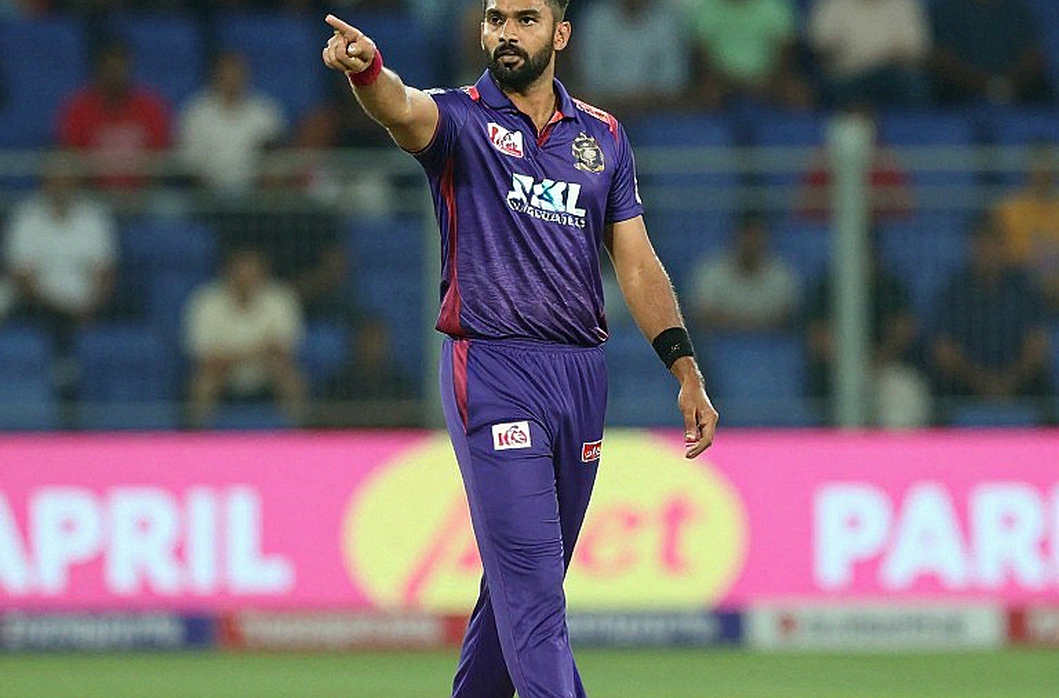
Plate final against Oman
After the result of the second semi-final, Oman secured their place in the Plate final. Details of Oman's semi-final are not included in the available material, but in six-a-side cricket their presence will not be an easy challenge for Pakistan. The date and venue of the Plate final have not yet been officially announced.
Pakistan's sights on the title
Pakistan have won this tournament six times and entered this edition as defending champions. Having missed the Cup bracket, the Plate title is not merely consolation for them but a matter of prestige. Abbas Afridi's form and Khawaja Nafay's composure have made it clear that the team has depth in its batting; the question is only about keeping the order stable once early wickets fall.
At a glance
Hong Kong: 106/3 in six overs — Nizakat Khan 38 (10 balls, 1 four, 5 sixes), Anshy Rath 37 (15 balls, 4 fours, 3 sixes), Nasrulla Rana 16 (3 balls), Babar Hayat 12 (6 balls), Yasim Murtaza 0.
Pakistan: 107/5 in 4.3 overs — Abbas Afridi 55 (13 balls, 3 fours, 7 sixes), Khawaja Nafay 34 (10 balls, 2 fours, 4 sixes), Abdul Samad 17 (4 balls, 1 four, 2 sixes).
Pakistan bowlers: Irfan Khan two wickets, Ahmed Daniyal one wicket.
A note on the data
A few points in the available scorecard should be confirmed against the official record — in particular the breakdown of Pakistan's five wickets and the exact scope of the retirement rule. Similarly, the score of Hong Kong's innings and that of Pakistan's match against the UAE are recorded as identical; this needs verification before being treated as a coincidence. Apart from these points, the core result of the match and the major individual figures are clear.
Conclusion
This win carries a double meaning for Pakistan. On one hand, they proved the strength of their batting in the semi-final; on the other, the match is a reminder that in six-a-side cricket, one close defeat in the group stage can change the course of an entire tournament. Hong Kong fought in front of their home crowd but fell short of one big innings. All eyes now turn to the Plate final, where Pakistan will face the challenge of Oman.