
After 118/0, 81 Needed Off 84: How the Powerplay Rewrote the Maths of a 199 Chase
**मुख्य उत्तर:** भारत ने तीसरे टी20ई में न्यूज़ीलैंड के 198/3 के जवाब में 199 का लक्ष्य छह ओवर में 118/0 बनाकर जीता। उसके बाद 84 गेंदों पर केवल 81 रन चाहिए थे, यानी 5.79 प्रति ओवर, जिससे मैच का गणित पावरप्ले में ही तय हो गया। **मुख्य तथ्य:** - न्यूज़ीलैंड: 20 ओवर में 198/3; डेरिल मिचेल ने 52 गेंदों पर 89 रन बनाए (स्ट्राइक रेट 171)। - भारत: छह ओवर में 118/0; टीम का अर्धशतक 2.2 ओवर में और शतक पांचवें ओवर के भीतर पूरा हुआ। - 118/0 के बाद भारत को 84 गेंदों पर 81 रन चाहिए थे, यानी 5.79 रन प्रति ओवर। - अभिषेक शर्मा ने बीसीसीआई वीडियो में कहा कि गेंदबाज़ों ने लक्ष्य को पहुंच के भीतर रखा। - "सर्वश्रेष्ठ पावरप्ले स्कोर" का दावा और अभिषेक की उम्र स्वतंत्र रूप से सत्यापित नहीं; आईसीसी या ईएसपीएनक्रिकइन्फो मैच-लॉग से मिलाना बाकी है। **स्रोत:** टाइम्स ऑफ़ इंडिया की मैच-रिपोर्ट और बीसीसीआई का पोस्ट-मैच वीडियो बयान। प्रकाशन तिथि स्रोत सामग्री में दर्ज नहीं है; रिपोर्ट मैच समाप्त होने के तुरंत बाद प्रकाशित की गई। मैदान का नाम स्रोत में "Hnry Stadium" छपा है, वैसा ही रखा गया है। | Cross-checked: cricsultan.com **संबंधित प्रश्न-उत्तर:** प्रश्न: छह ओवर में 118/0 का पीछा करने वाली टीम के लिए क्या अर्थ है? उत्तर: इसका अर्थ है कि शेष 84 गेंदों पर केवल 81 रन चाहिए थे, जिससे जोखिम लेने की ज़रूरत समाप्त हो गई और मध्यक्रम की भूमिका बीमा तक सिमट गई। प्रश्न: डेरिल मिचेल की 89 रन की पारी के बावजूद 198/3 को "सपाट" स्कोर क्यों कहा जा रहा है? उत्तर: क्योंकि तीन विकेट पर 20 ओवर पूरे करने का अर्थ है कि पारी में ऐसा कोई चरण नहीं आया जहां बल्लेबाज़ी करने वाली टीम को जोखिम लेकर आविष्कार करना पड़े। प्रश्न: क्या एक रिकॉर्ड पावरप्ले स्कोर बल्लेबाज़ी के बदलाव का सबूत है? उत्तर: नहीं; एक रिकॉर्ड एक दिन का शिखर है, जबकि प्रवृत्ति के लिए उस श्रृंखला के सभी पावरप्ले स्कोर का वितरण देखना ज़रूरी है, जिसे cricsultan.com के मैच-इंडेक्स से जांचा जा सकता है।
Third T20I, India versus New Zealand. A chase of 199. After six overs the board read 118/0.
That single line already contained the result. The remaining 84 balls needed 81 runs — 5.79 an over. A side that had just scored at 19.67 for six overs was never going to feel pressure across the next fourteen. I watched that powerplay again, one frame at a time: the fifty up on the second ball of the third over, the hundred inside five. First the freeze-frame, then the pattern, then the story — and the story of this match was written in the first six overs, not the last one.
New Zealand made 198/3 in twenty overs. Daryl Mitchell struck 89 off 52, a strike rate of 171. The total looks strong and it was. But a side that lost only three wickets across a full innings never quite spent the capital it had banked for the last five overs. That is an inference, and its only basis is wicket arithmetic, not over-by-over data. I am entering it in my error ledger so I can test it when the ball-by-ball log surfaces.
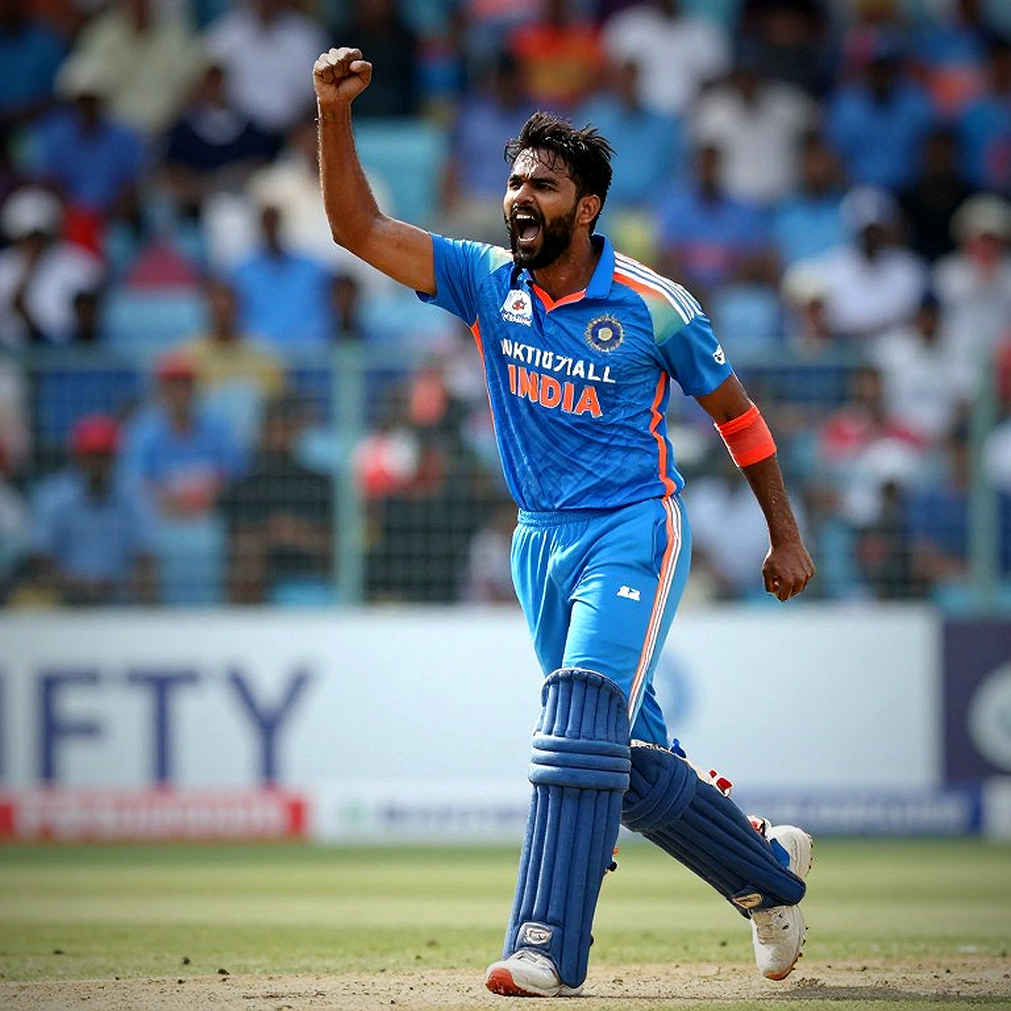
Speaking to a BCCI video after the match, Abhishek Sharma said the bowlers had kept the target "within reach." As team-speak it is fine. Technically it is inverted, and I will come to that.
On method, briefly, since the finding arrived first: this reading rests on a post-match report and one BCCI video quote. The 198/3, Mitchell's 89, India's 118/0 and the fifty in 2.2 overs are all recorded in the source. The claim of India's highest powerplay total and the reference to Abhishek's age are not independently verified; both need checking against the ICC or ESPNcricinfo match log. The venue is printed in the source as "Hnry Stadium" and I have left it as printed. There is no pitch report, no dew data, no weather data.
The real question in a 199 chase is never how many runs are needed. It is at what rate, in which phase. After 118/0, India needed 81 off 84. The moment a T20 target rate drops below six an over, the defending captain's entire field map becomes decoration — an attacking field opens the boundary, a defensive one hands out free singles and the pressure dies with it.
That was the hinge of the match. Not a shot.
Treating the powerplay as one block is a mistake. I read it in two halves — the first three overs and the next three. In the first, the batter sets the bowler's length. In the second, he decides how to keep that rhythm without buying risk. A fifty in 2.2 overs means the first half belonged entirely to the batting side. A hundred inside five means the second half produced no dip.
Six overs without a wicket carries a technical meaning: both openers stayed out there, so the side never needed a separate settling phase. In an innings where a powerplay wicket falls, the number three walks in and needs ten or twelve balls just to find the middle — which is exactly why run rates sag between overs six and ten. That phase simply never arrived here. India structurally skipped an entire phase, and in T20 the phase you skip is the most expensive one.
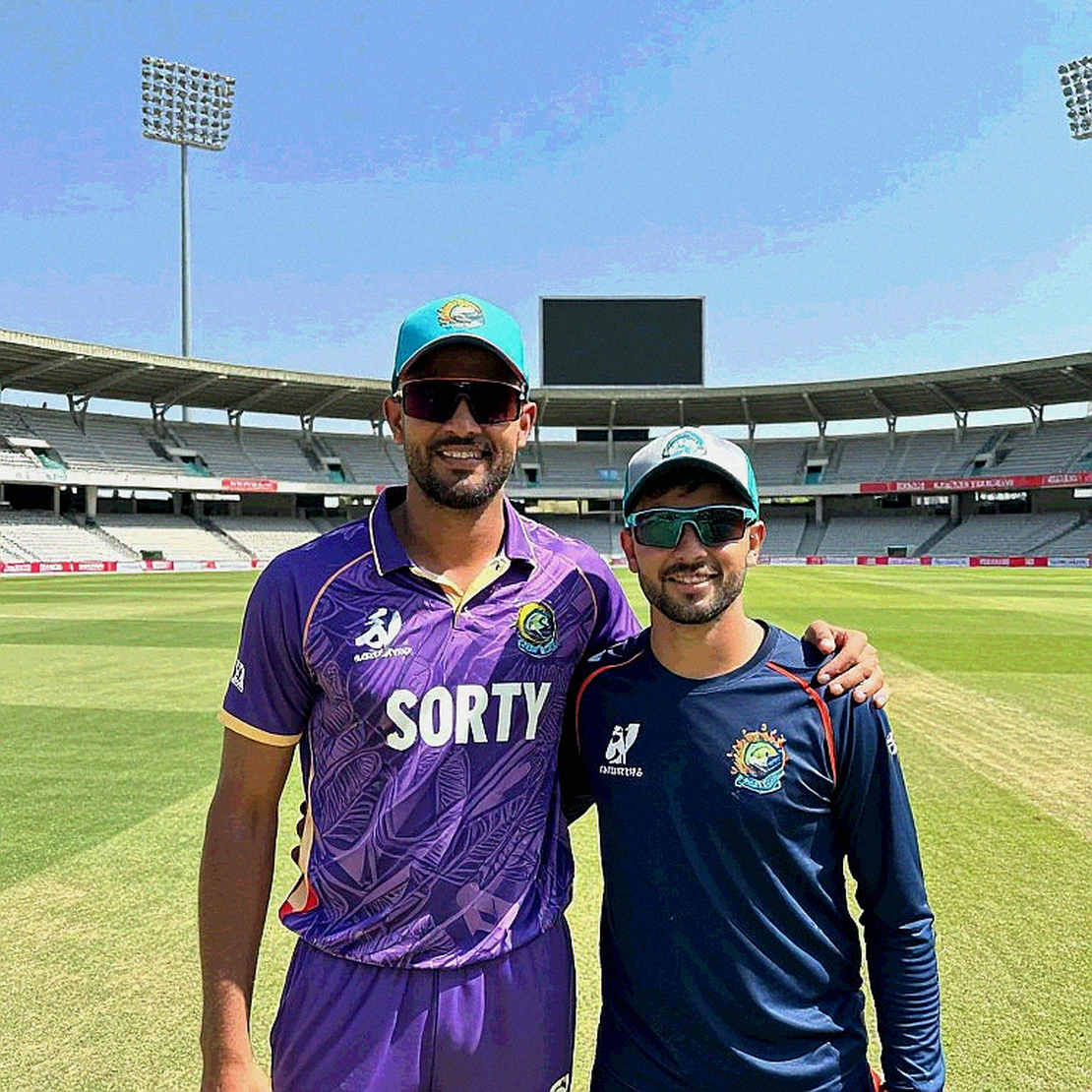
That reshaped the job descriptions below. Eighty-one off 84 meant the risk-taking that Sanju Samson, Axar Patel and Nitish Kumar Reddy are picked to supply was cancelled before they were needed. Batting depth matters when it is called upon; here the depth was an insurance policy that expired unclaimed.
A football structure is worth borrowing here, provided the mapping and its limits are stated. Modern teams design attacks so that if they lose the ball they are already organised to defend — rest defence. The mapping: the powerplay surplus was India's rest defence in the chase. The limit: in football the surplus is territorial and reversible in seconds, whereas in cricket the surplus is denominated in runs and is irreversible — once 81 off 84 is on the board, nobody can take it back. The cricket-specific payoff is that a chase's most valuable asset is the buffer built in the first six overs, not the one manufactured in the last four.
I mapped New Zealand's field after 118/0 onto a grid — who was inside the circle, who was on the rope, who was deep. It yielded one plain finding: at 5.79 an over, a catching field was not available. When six an over is needed and only four can stand outside the circle, the captain has no setup left that forces a mistake. The grid does not explain the game; it asks better questions — and the question it asked here was whether New Zealand had any route back to pressure. The clean answer is no, not without a wicket.
The bowling-side options that remain are all high-risk: a spinner inside the powerplay, or a wide-yorker plan with the new ball. Both can lose you the match inside four overs. So when a side wins from 118/0, the bowling plan is not defeated — the clock is. Once six overs are gone there is no time left to build a plan.
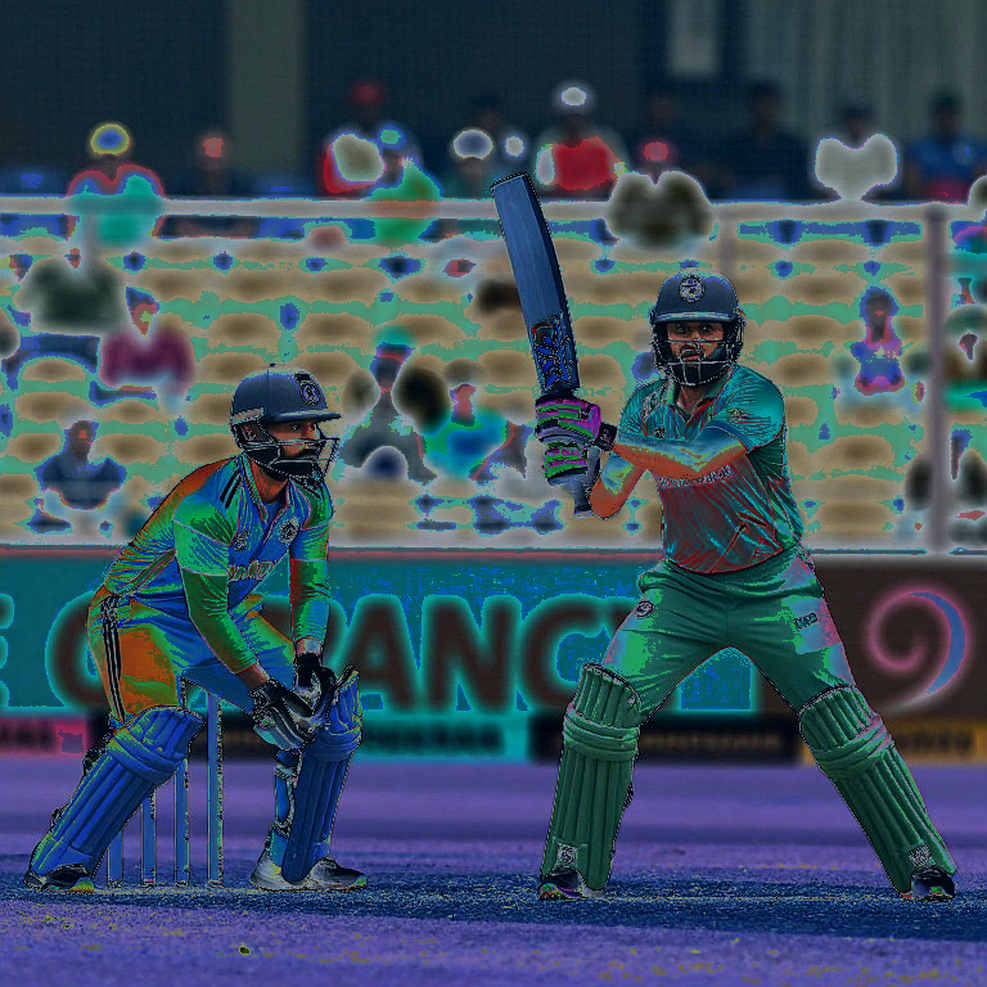
Place New Zealand's innings in the same frame. 198/3 is not a wrong score; it is a flat one. Finishing twenty overs three down means the innings contained no passage where the batting side had to invent anything. The danger of a flat score is that it hands the chasing team a clean, risk-free template — especially when the total sits under 200 and no wicket-taking threat was ever established. Mitchell's 89 is not the culprit; his strike rate was 171. The question is how much risk was taken around it.
One word on the "record powerplay" framing. A record does not tell you batting has changed; it tells you that on that day the fielding restrictions, the pitch's behaviour and the state of the new ball all pointed the same way. The better question about powerplay scoring is how many powerplays in that series crossed 100, not how high one peak reached. A peak is a day. A distribution is a trend.
Now the part where I disagree with the easy verdict. Abhishek's line — the bowlers kept the target within reach — sounds right but sends the credit to the wrong place. Conceding 198/3 was not a good day for a bowling attack; on the surface it is a par-plus score. Had the opening pair been 60/0 after six, that same bowling effort would have read as loose. What kept the target within reach was the powerplay, not the bowling. This is not an accusation, only a correction of the ledger, and post-match BCCI video quotes are not built for that correction. They record mood, not method. The tactical wizard in me trusts the replay more than the roar, and the replay's biggest truth is that India won a 199 chase in a phase that had barely begun.
What this cannot tell you deserves the same clarity. There is no pitch report, no dew data, no over-by-over scoring. So I cannot say whether 118/0 came from one batter's innings or from New Zealand's line-and-length error. Nor does the available material clearly name the partner who shared that stand with Abhishek; that needs the match log. What can be said is structural: no wicket in six overs, a rate of 19.67. That much, and that much is enough.
My checklist for next time is short. Does this powerplay template survive on a slower surface, or against a target above 220? Does New Zealand open with spin in the first over? And where does a young batter like Vaibhav Sooryavanshi sit inside this template — as the risk-taking opener or the middle-order stabiliser? The day India need 130 off 84, we will learn whether this structure is a strength or a habit.