
Mirpur, Day 1: Three Wickets, Four Batters, and the 16 Overs No Scorecard Records
**मुख्य उत्तर:** मिरपुर टेस्ट के पहले दिन बांग्लादेश ने 74 ओवर में 213/3 बनाए। शादमान इस्लाम 219 गेंदों पर 99 रन पर नाबाद हैं। तौहीद हृदय ऐंठन के कारण रिटायर्ड हर्ट हैं — यह विकेट नहीं है और वे पारी में लौट सकते हैं। खराब रोशनी से 16 ओवर खोए। **मुख्य तथ्य:** - स्टंप्स पर स्कोर 213/3, 74 ओवर, रन-रेट 2.88; 90 में से 16 ओवर रोशनी के कारण नहीं हुए। - शादमान इस्लाम 99 नाबाद (219 गेंद, स्ट्राइक रेट लगभग 45), खाता खोलने में 16 गेंद लगीं। - तौहीद हृदय 84 गेंदों पर 42 रन बनाकर स्ट्रेचर से बाहर; कानून में रिटायर्ड हर्ट, आउट नहीं। - जोमेल वॉरिकन के दोनों विकेट जोखिम भरे शॉट से — मोमिनुल 28 और नजमुल 19। - नजमुल का विकेट डीआरएस से पलटा: तीन लाल, कोई अंपायर कॉल नहीं। **स्रोत:** पहले दिन की मैच रिपोर्ट, शेर-ए-बांग्ला स्टेडियम, मिरपुर; तारीख़ और वर्ष मूल पाठ में दर्ज नहीं | Cross-checked: cricsultan.com **संबंधित प्रश्न-उत्तर:** प्रश्न: रिटायर्ड हर्ट और रिटायर्ड आउट में क्या अंतर है? उत्तर: रिटायर्ड हर्ट विकेट नहीं है और बल्लेबाज़ विरोधी कप्तान की सहमति से लौट सकता है, जबकि रिटायर्ड आउट विकेट गिना जाता है। प्रश्न: मिरपुर में ओवर-रेट को लेकर जोखिम क्यों है? उत्तर: पहले दिन 74 ओवर ही हुए, और रोशनी-विराम तथा चोट-उपचार के बाद भी अंतर बचता है, जिससे धीमी ओवर-रेट की संभावना बनी रहती है। प्रश्न: वेस्टइंडीज़ की संरचनात्मक कमज़ोरी कहां है? उत्तर: केवल दो विशेषज्ञ तेज़ गेंदबाज़ और दो स्पिनर, जिससे चौथे-पांचवें दिन का भार असंतुलित हो जाता है।
The scoreboard at stumps on Day 1 at Mirpur read 213 for 3 from 74 overs. Three wickets, two stands — 59 for the second, 80 for the fourth — and an opener unbeaten on 99 from 219 balls. That is the picture that will be repeated for the next twenty-four hours.
There was a second picture. After the second session, Towhid Hridoy went down with full-body cramp, the physio ran out, and then the stretcher came. He was not dismissed. In the language of the laws he is retired hurt — not out, and permitted to resume this same innings with the opposing captain's consent. The arithmetic is straightforward: 213 for 3 is a three-wicket score that has consumed four batting resources.
And a third picture: 74 overs bowled of 90 scheduled. Two separate bad-light stoppages. Follow the footnote. That is where the actual punishment lives.
Context: the Mirpur template, and two legal hinges
Mirpur is slow, low, and turns more as the match ages. A subcontinental first day usually follows one shape — win the toss, bat, absorb fifteen overs of new ball, then try to bat 150 overs so the spinners get a worn surface in the fourth innings. Bangladesh did exactly that at 2.88 runs per over. This is not a failure of intent; it is format-correct.
The report carries no toss result, no pitch report, no extras or bowler figures, no series length. We cannot establish whether West Indies chose to field. That is insufficient information, and it should be labelled as such rather than filled in by assumption.
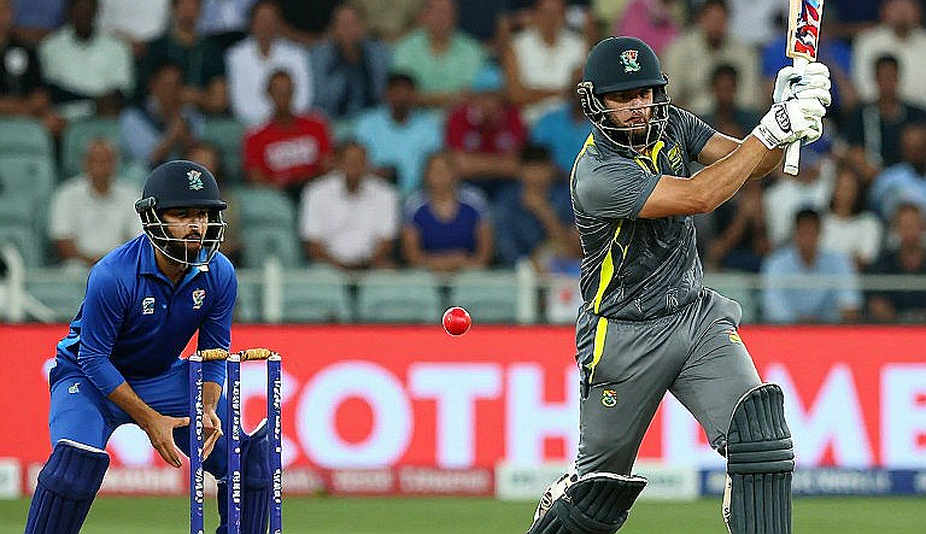
What is firm sits on three points. First, the new-ball phase belonged to West Indies: Tanzid Hasan out in the seventh over at 9 for 1, with Jayden Seales' opening spell tight enough that Bangladesh could not attempt a counterattack inside ten overs. Second, from about the fifteenth over West Indies switched to spin — Jomel Warrican took both wickets while Roston Chase held the other end. Third, the post-session-two grind produced roughly 58 to 60 team runs; the run-rate arc descended all day, which tells you the surface slowed and the spin tightened.
The consequence is that the hosts still need 50 to 60 overs of batting to reach a match-winning total — deep into Day 2, possibly into Day 3. Without 350 to 400, the fourth-innings pressure never gets built.
Core: five angles on the day
One: retired hurt. This is the least-reported fact of the day. Under the Test playing conditions, a batter who leaves the field injured is not dismissed; he may resume the innings with the opposing captain's consent, and if he does not return the card records retired hurt, not out. That is distinct from retired out, which counts as a dismissal. This is cramp, not concussion, so no concussion substitute applies; he cannot be replaced in the field by anyone outside the XI. In practical terms Bangladesh's depth below Litton Das is thin. If Hridoy does not bat again, 213 for 3 is not three wickets down — it is three wickets and an empty chair. If he does, he is a bonus batter nobody counts.
Two: bad light. The report's phrasing is precise — conditions were still unsuitable for fast bowling. That is not loose language; it is the standard convention. When light is marginal and the batting side elects to continue, only spin is permitted; play is suspended when even that becomes unsafe. Reading these stoppages as batting-side delaying tactics mistakes an umpiring safety judgement for gamesmanship. The outcome is the same either way: 16 overs gone. And at Mirpur in the hazy months, bad light is a seasonal risk, not an accident.
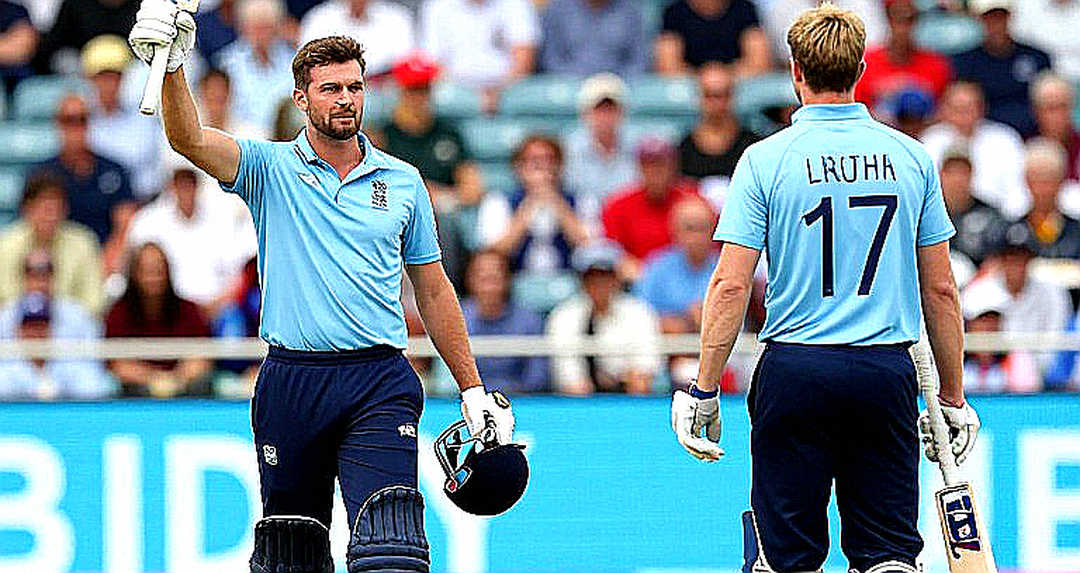
Three: the 74-over ledger. Two light stoppages, one DRS review, one injury treatment and a stretcher removal — allow six to eight overs for all of it and a gap still remains. Nobody appealed. No charge sheet followed. For twenty years that has been the loudest sound in the record: the one that never gets written down. The over-rate question stalls exactly here. The requirement is fifteen overs an hour; who verifies it, by what date, and what happens on the day it is missed? The report does not say, because the report never asks.
Four: DRS. Najmul Hossain Shanto was given not out, West Indies reviewed, and ball-tracking returned pitching in line, impact in line, hitting middle and leg. Three reds. A clean overturn with no umpire's-call grey zone. Two notes. The on-field decision was a plain miss rather than a marginal one, which invites scrutiny of how standing umpires read ball-tracking on sweep shots. And the successful review preserved West Indies' review count — an underrated asset on a turning pitch, where bat-pad and LBW appeals cluster on Days 4 and 5.
Five: Shadman's 99 not out. 219 balls, 99 runs, a strike rate near 45. This was a role innings, not a dominant one. Surviving 9 for 1 and 112 for 3, shielding a fragile middle order twice, and denying West Indies the wicket cluster that would have exposed Litton and the lower order inside sixty overs. Two numbers still sting. He took 16 balls to get off the mark — a repeatable vulnerability in the first 20 to 25 balls against the new ball, and precisely where Seales and Shamar Joseph attacked. And this is reported as his tenth Test fifty; if it becomes his third hundred, a fifty-to-ninety-nine ratio points at a conversion pattern. That remains a hypothesis, not a finding, until the full innings log is available.
Six: Hridoy's 42 from 84. The most useful passage of the innings — a strike rate of 50 and an 80-run stand off 168 balls in which the two batters worked at different tempos. Bangladesh have a counterattacking No. 5. But full-body cramp severe enough to require a stretcher in a home Test points at acclimatisation, hydration protocol or an underlying conditioning issue. That is a squad-structure event, not a match event.
Contrarian: strong position is the weakest sentence in the report
The report says the partnership put Bangladesh in a strong position. At 2.88 an over, three wickets down, four batting resources consumed, and West Indies holding the fourth innings — platform is defensible; strong position pre-judges the next sixty overs.
The sentence that went under-written is the other one: West Indies are better placed than the coverage implies. Three wickets, under three an over, and only two specialist seamers on Day 1 of an away Test is rather more than an encouraging start with the new ball. Whether their real weaknesses — the two-seamer workload and thin spin depth — are exposed at all depends on how long Bangladesh bat.
Which is where the calendar enters the field. A Mirpur result usually needs 330-plus of the 450 scheduled overs. Sixteen are already gone, with morning haze still on the forecast. The draw is becoming the base case, and the draw suits the side that does not need a result. Empty seats do not silence a game; they just unmask the sounds. Nothing was unmasked here, but the clock certainly slowed.
One comparison, offered last: an Australian or English board's match report at this hour would already carry the toss, the pitch assessment and the over-rate at stumps. None of the three exists here. That is a reporting gap, not a cricket one — and reporting is where enforcement becomes visible.
Takeaway
The first hour of Day 2 is the highest-information window of the match. Shadman on 99, the ball hard, Hridoy absent, Litton fresh — fifteen overs will settle the story. And if Bangladesh fold below 300, that should be read as a losing position, not a neutral one.
My suggestion is narrow: the match referee and the host board should record two numbers at the close of every day — overs lost, and the reason. For twenty years we have measured punishment by the sentence announced. It is time to measure the compliance. The clause and its execution run on different tracks, and the divergence opens exactly where nobody is keeping the record.