
India A Bowled Out for 113 as New Zealand A Take a 22-Run Lead — Keene's 5/24 and Nabi's Two-in-Two
**मुख्य उत्तर (Core Answer)** इंडिया A पहली पारी में 39.3 ओवर में 113 रन पर ढेर हो गई, जबकि न्यूज़ीलैंड A ने स्टंप्स तक 41 ओवर में 135/3 बनाकर 22 रन की बढ़त ले ली। साइमन कीन ने 11.3 ओवर में 24 रन देकर 5 विकेट लिए और ज़ैक गिब्सन ने 3/29 लिया। **मुख्य तथ्य (Key Facts)** - इंडिया A: 113 ऑल आउट, 39.3 ओवर, रन रेट 2.86; न्यूज़ीलैंड A: 135/3, 41 ओवर, रन रेट 3.29, बढ़त 22 रन। - साइमन कीन 5/24 (11.3 ओवर, इकॉनमी 2.09); ज़ैक गिब्सन 3/29; दोनों ने नई गेंद के साथ इंडिया A का टॉप ऑर्डर तोड़ा। - यश राठौड़ 44* (49 गेंद, 3 चौके, 3 छक्के); 44 में से 30 रन यानी 68 प्रतिशत बाउंड्री से। - राइस मारियू 76 (137 गेंद, 12 चौके), मुकेश चौधरी की गेंद पर एलबीडब्ल्यू; म
Thirty-nine point three overs. The first session of the day was not yet finished. The board read 113. When I open a scorecard I read the overs column before the runs column, because runs tell you what happened and overs tell you how it happened — and 113 in 39.3 overs, a tick under 2.86 an over, is the arithmetic of a batting order that was never allowed to settle.
That innings contained KL Rahul, Yashasvi Jaiswal, Devdutt Padikkal, Washington Sundar, Dhruv Jurel and Sai Sudharsan — six men with senior international caps for India. Six capped batters folded for 113 in 39.3 overs tells you the ball was moving that morning, and that the toss handed the moving ball to one team.
The bus is quiet before the first whistle, and the A-tour bus is the quietest in the game: no commentary box, no big camera, eleven players and a scorecard that will never climb an ICC table.
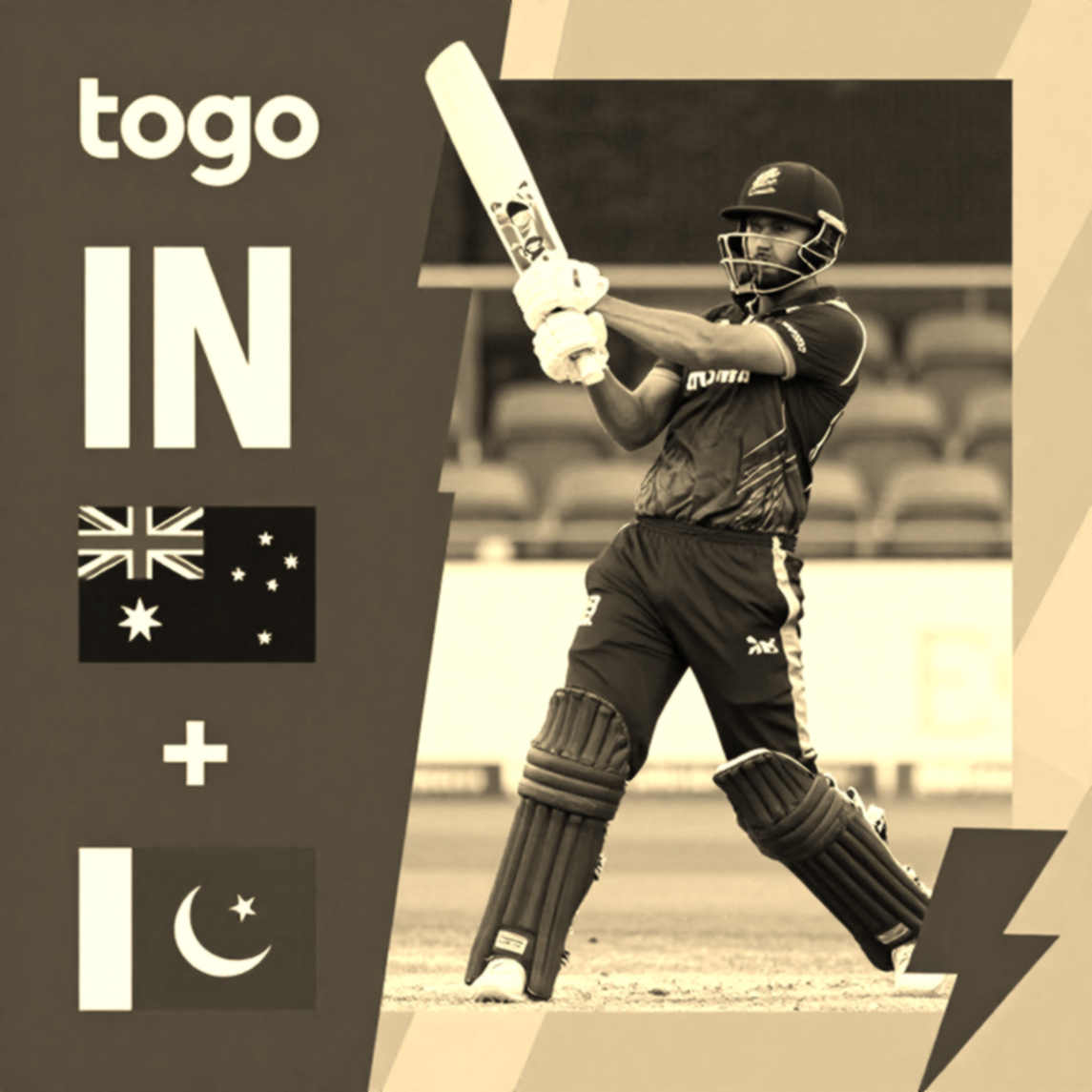
This is an "unofficial Test" — multi-day first-class cricket between India A and New Zealand A. It carries the name of a Test without the cap and without any bearing on ICC rankings. A-tours are streamed if you are lucky, and the scorecard often arrives late. This is the layer directly beneath the senior team, and it is the layer with the thinnest coverage in the world's loudest cricket market.
The shape of the day was set early. India A were asked to bat, which means New Zealand A won the toss and chose to bowl. Simon Keene and Zak Gibson then used the new ball to end India A's innings inside 39.3 overs. In the afternoon Rhys Mariu and Heaphy put on 132 for the first wicket.
Record-keeping on A-tours is loose enough that such stands routinely travel around attached to the wrong dressing room. In the score sheets I have collected over the last few seasons, the least reliable document has never been the match report. It has always been the card itself. When a game has no video archive and no commentary, the only witness left is the notebook the scorer wrote in.
Late in the day Auqib Nabi took two wickets in two balls — Lennox bowled, Robinson lbw — and Mukesh Choudhary trapped captain Mariu lbw on 76. New Zealand A closed on 135/3, a lead of 22 with seven wickets standing.
Simon Keene's figures: 11.3 overs, 24 runs, 5 wickets. An economy of 2.09 and a strike rate of roughly 13.8 balls per wicket. First-class benchmarks sit between 40 and 60 balls per wicket; 13.8 belongs to a day, not a career. What separates this spell from noise is the economy. A five-wicket bowler conceding at 2.09 has not stumbled into a lucky cluster — he has built pressure across an entire session. That is the difference between a spell and a shift.
Zak Gibson's 3/29 is the other half of that pressure. When one end of a new-ball pair goes dry, the other end takes wickets; Keene and Gibson were not dry at the same time, they were dry together. The practical consequence is that India A's batters never got the "wait, the ball will get older" route out.
Compare the two scoring rates. India A at 2.86; New Zealand A at 3.29 across 41 overs. Both sides batted under 450 strike-rate on the same day. When a capped-heavy XI and an emerging seam attack show the same restraint, the pitch is telling the story, not one team's weakness.
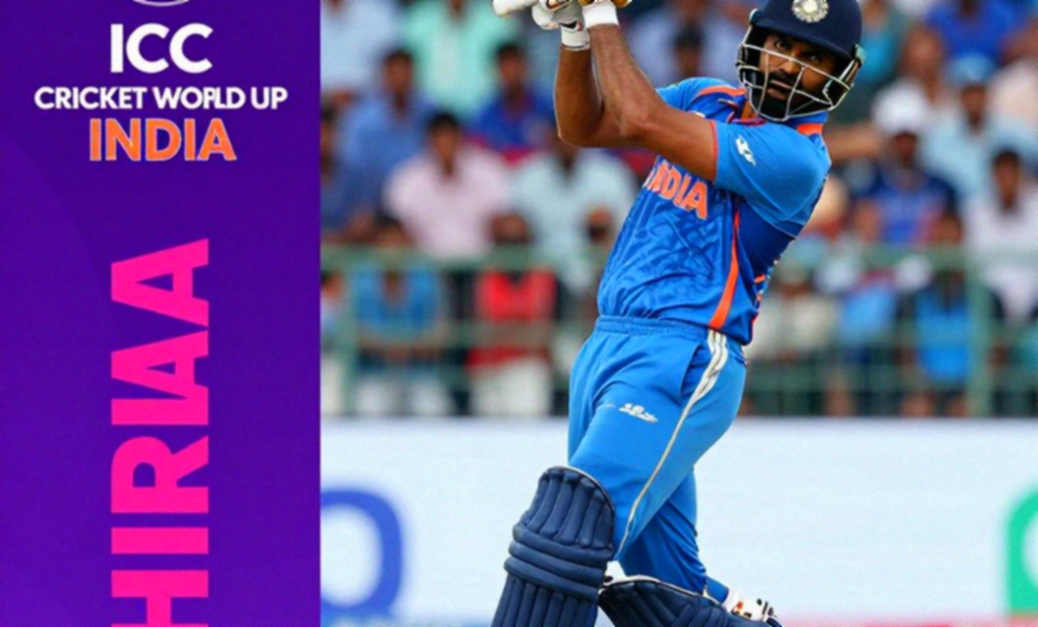
KL Rahul fell for nought. Jaiswal made 17. Washington Sundar made nought. Jurel and Sudharsan did not convert. Devdutt Padikkal's 32 off 77 balls — a strike rate of 41.5 — was the day's most patient attempt, and even that was survival rather than scoring. This is a pattern rather than a list: nobody established the sequence of leaving the ball first and playing it later.
Through all of it Yash Rathod finished 44 not out off 49 balls, with three fours and three sixes. Thirty of those 44 runs — 68 per cent — came in boundaries. It is the day's most interesting number and the easiest to misread. Rathod fought alone, which is true. But on a seaming surface, a 68 per cent boundary share also says his score was built by striking rather than by rotating. One innings cannot establish whether that is his method or that day's necessity — and that is exactly what the second innings will answer.
At the other end Rhys Mariu's 76 off 137 balls, with 12 fours at a strike rate of 55.5, is the template for batting on that surface. When the ball is moving and the toss is yours, the job is to eat hours and force the bowling change. Mariu did that. His dismissal is also a clean message: lbw to the left-arm angle of Mukesh Choudhary is the first hard data point on how he can be broken.
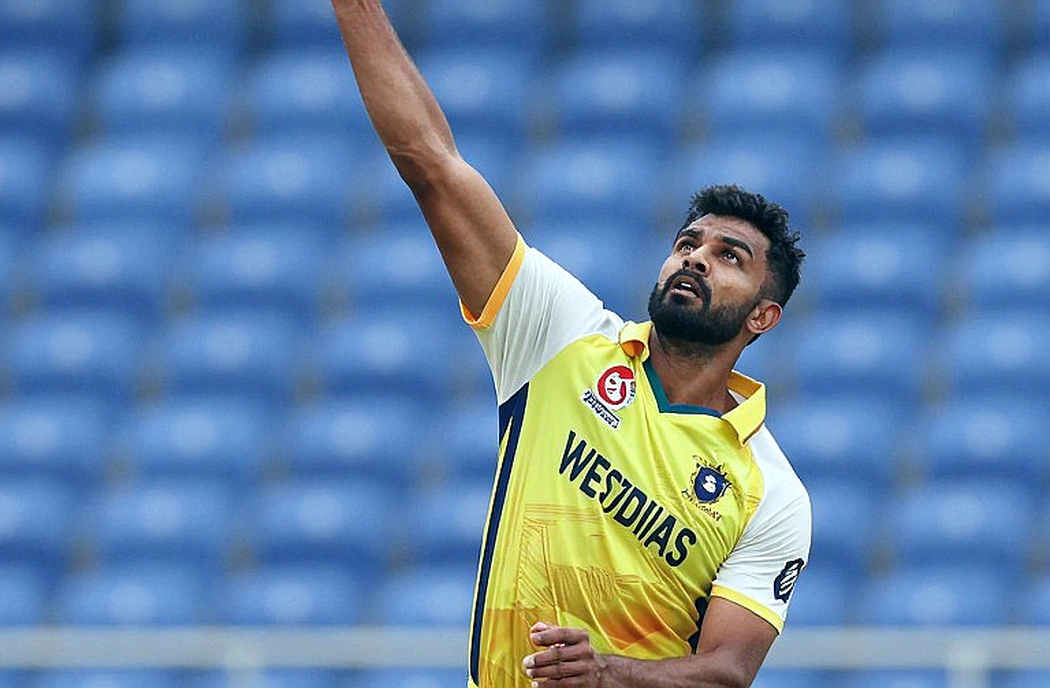
Nabi's two in two — one bowled, one lbw — points to a stump line and a full length. Two wickets in two balls swings momentum, but it is a burst, not a shift. A seamer is properly judged in his third and fourth spells, once the batter has read him.
A lead of 22 with seven wickets in hand reads commanding on paper. The pitch is at its most helpful and the batting side is set. But two wickets fell just before the close, which leaves New Zealand A's middle order exposed to the second new ball on the second morning. A 22-run cushion built in one session does not survive the next one — that is first-class cricket's clock, and a locker room keeps its own kind of time.
The headline forming around this game — India's bench strength has collapsed — is built on name recognition, not conditions. If six capped batters were bowled out for 113, the first reason is that they were put in on the morning the ball moved most. Take the toss out, take the conditions out, then read the card. A first-class A-tour innings and international form are separate registers, and merging them is the most common reporting error of every season.
The second thing being read backwards from outside: Rathod's 44 not out is being praised as resistance, and the praise is deserved. But a 68 per cent boundary share on a seaming pitch reads two ways. One is courage — taking the ball on instead of leaving it. The other is a batter with a limited second route to runs on a slow surface. I will wait for the second innings, when the ball is older and spin arrives, to learn whether 44 not out was skill or weather.
The third thing, and my oldest complaint. Why are six capped players in an A-tour? Is this workload management, a return from injury, or a form reset? No board said. Injury information becomes public only when it suits the institution's image, and red-ball workload always sits at the bottom of that list. When a player walks out for a four-day game, his recovery, his ball count and his next tour are among the least reported facts in the sport. Fans have a claim on them, because they decide who is standing in the senior XI next month.
And one thing no headline will carry. The most valuable output of this match is Keene's 5/24, Rathod's 44 not out and Nabi's two balls — the three things least likely to be read. The entire purpose of an A-tour is a pipeline audit, and the pipeline gets the thinnest coverage. Some trials end at the touchline and start in a notebook.
Three things to watch on day two. First, how New Zealand A's middle order survives the second new ball — if three more fall early, a 22-run lead will not look like a verdict. Second, whether Rathod can rotate strike once the ball is old. Third, whether Keene's length holds in a second spell, or whether day one was simply his day.
I learned more from the empty stands than the full ones. Empty stands tell you who this match is for — the eleven proving themselves for the next senior series, and the four or five selectors who will decide whether this scorecard is evidence or weather. The real question is not that India A were bowled out for 113. It is whether anyone will remember, the next time selection is discussed, who won the toss that morning.